Category: Cybersecurity
-
Why Human Habits Are Your Biggest Security Risk
Most cyberattacks do not start with a sophisticated intrusion. They start with a click on a personal email, a reused password, or a file uploaded to a familiar cloud service because the approved option felt slower. The Verizon Data Breach Investigations Report found that 68% of breaches involve the human element. Not a zero-day exploit.…
-
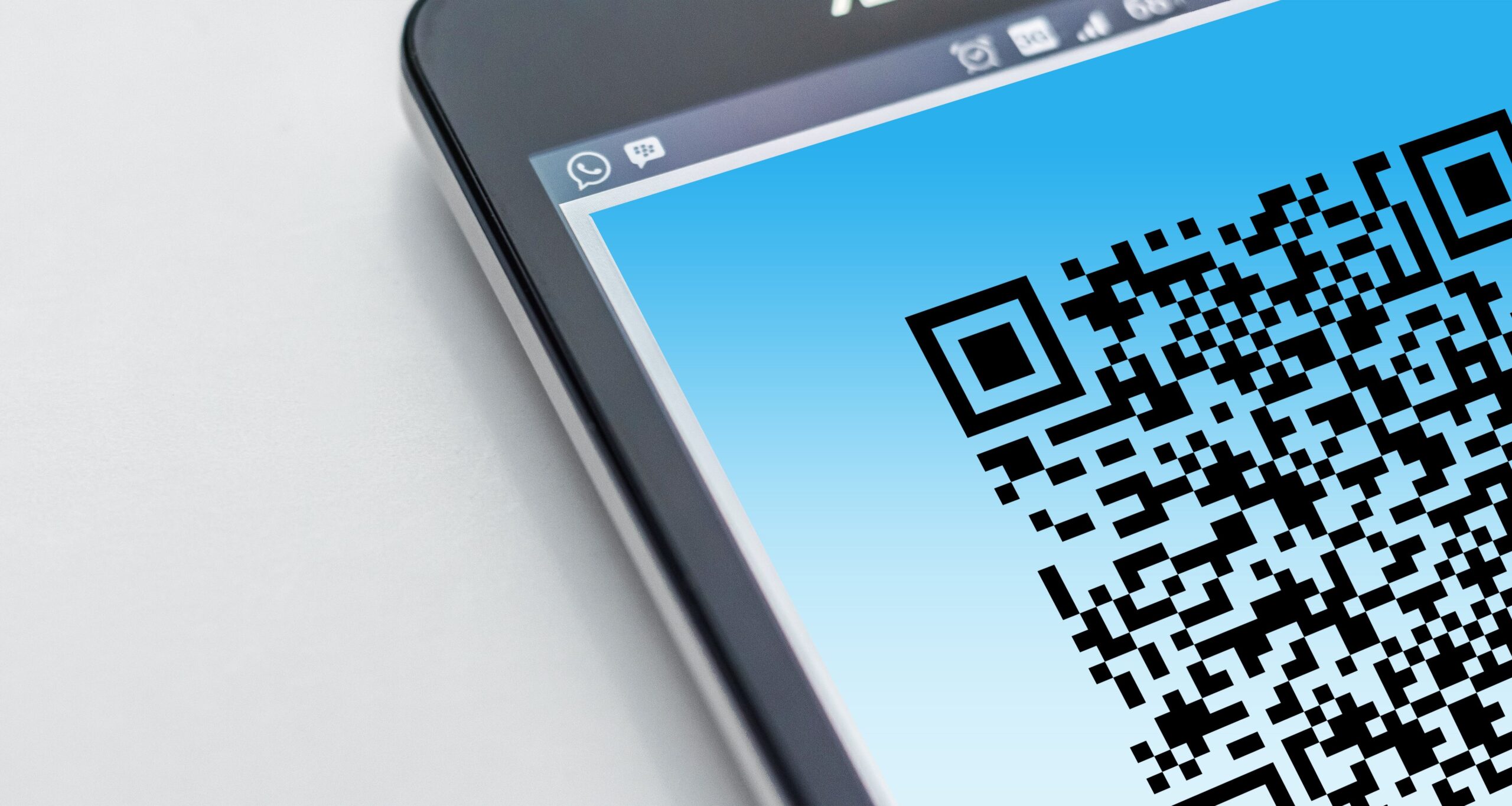
QR Code Scams: What They Are and How to Protect Your Business
Article Summary: A QR code scam, sometimes called quishing, hides a malicious web link inside a QR code. Because the link is buried in an image instead of written as text, it slips past the email filters that normally catch bad links, and scanning the code usually moves the victim onto a personal phone that…
-
How to Stop Scammers from Sending Emails in Your Company’s Name
Article Summary: Email spoofing is when a scammer sends a message that appears to come from your domain, often to trick your clients or staff into paying a fake invoice or changing banking details. Three DNS records (SPF, DKIM, and DMARC) prove that a message really came from you and tell receiving mail servers to…
-

What to Do in Case of a Cyberattack (Step by Step)
Article Summary: If your business is hit by a cyberattack, the first hour matters. Disconnect the affected devices from the network instead of powering them off, call your IT provider by phone, and leave the evidence in place. If money was wired to a scammer, call your bank right away. This post is the step-by-step…
-

What Are Passkeys, and Should Your Business Use Them?
Article Summary: A passkey lets you sign in to an app or website using the same fingerprint, face, or PIN you use to unlock your phone or laptop, with no password to type. It’s built on a security standard called FIDO that can’t be phished, because the passkey only works on the real site and…
-
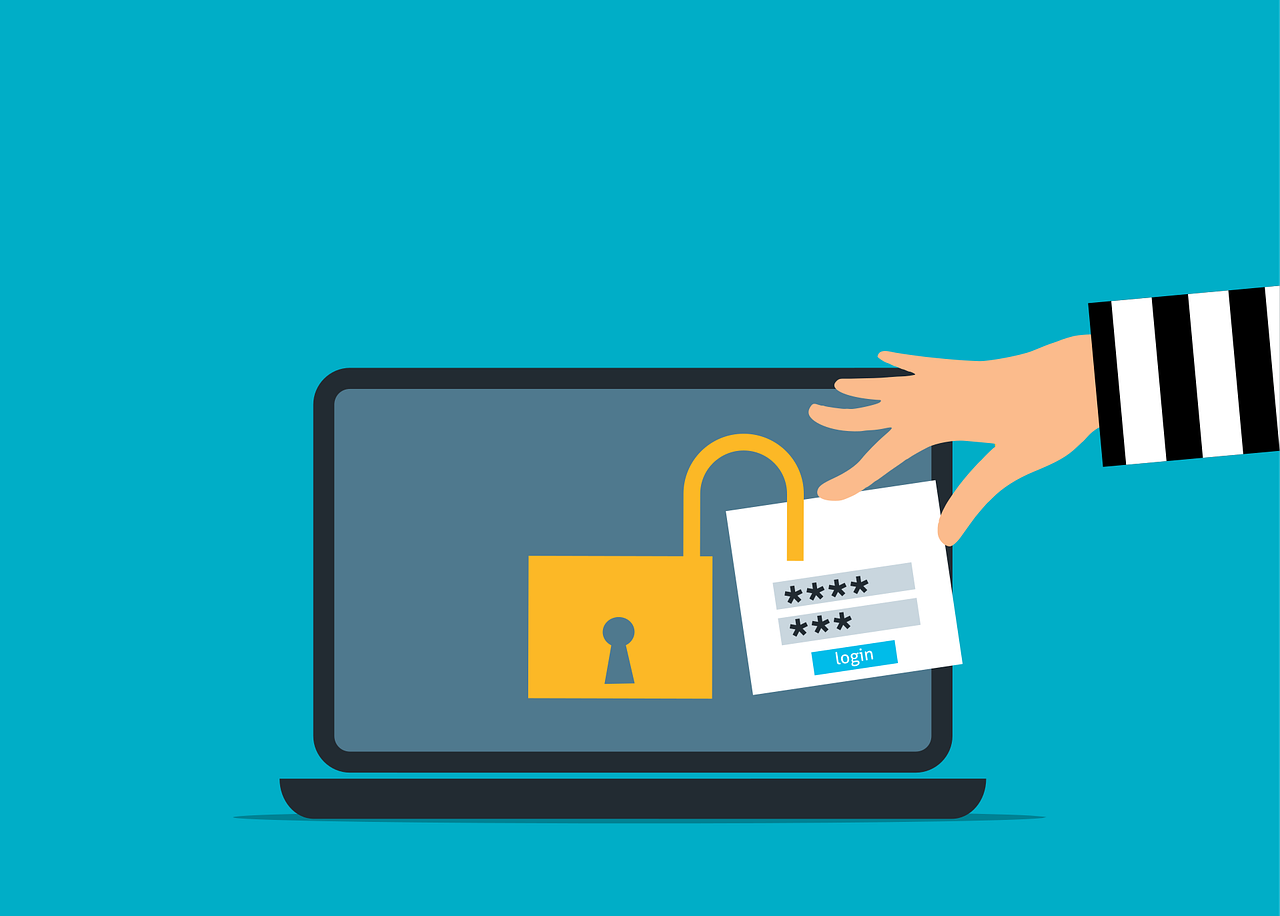
The “Session Cookie” Hijack: Why MFA Can’t Always Save You
MFA is a strong front-door lock. But it’s not the only thing that decides whether someone can get in. After you sign in, your browser keeps you logged in using a session token (often stored as a cookie). It’s the digital version of a wristband at an event: once you’ve been checked, the wristband proves…
-
Stop Account Hacks: The Advanced Guide to Protecting Your Small Business Logins
Sometimes the first step in a cyberattack isn’t code. It’s a click. A single login involving one username and password can give an intruder a front-row seat to everything your business does online. For small and mid-sized companies, those credentials are often the easiest target. According to MasterCard, 46% of small businesses have dealt with…
-
Cracking Down on Credential Theft: Advanced Protection for Your Business Logins
During an era of digital transformation, data and security are king. That is why, as cyber threats evolve in this age of digital transformation, businesses need to be prepared. Credential theft has become one of the most damaging cyber threats facing businesses today. Whether through well-crafted phishing scams or an all-out direct attack, cybercriminals are…
-
The Hidden Risk of Integrations: A Checklist for Vetting Third-Party Apps (API Security)
Modern businesses depend on third-party apps for everything from customer service and analytics to cloud storage and security. But this convenience comes with risk, every integration introduces a potential vulnerability. In fact, 35.5% of all recorded breaches in 2024 were linked to third-party vulnerabilities. The good news? These risks can be managed. This article highlights…
-
How to Use a Password Manager and Virtual Cards for Zero-Risk Holiday Shopping
Have you ever been concerned about your credit card or personal data getting stolen while shopping online? You’re not alone. Each holiday season, as millions of shoppers flock online for convenience, hackers ramp up their activity. The Federal Trade Commission (FTC) has warned that scammers often create fake shopping websites or phishing emails to steal…